Why Faster Caption Creation Matters Right Now
Every minute you spend wrestling with wording is a minute your brand loses visibility. Social platforms reward consistency, and the algorithm favors fresh, relevant posts. If you can generate compelling captions in seconds instead of minutes, you keep the content pipeline flowing and stay ahead of competitors. In this guide you’ll discover 16 AI-powered tools that cut caption writing time dramatically, learn how to integrate them into your workflow, and get practical tips to avoid common pitfalls.
How AI Transforms Caption Writing
AI models understand context, tone, and audience intent. By feeding a brief description of your post, they can instantly suggest multiple variations, embed hashtags, and even tailor language for different platforms. The result is a draft that needs only a quick polish, not a full rewrite.
Key Benefits
- Speed: Generate 5‑10 caption options in under 30 seconds.
- Consistency: Keep brand voice uniform across Instagram, Twitter, LinkedIn, and TikTok.
- Optimization: Built‑in keyword and hashtag suggestions improve discoverability.
1. Jasper (formerly Jarvis)
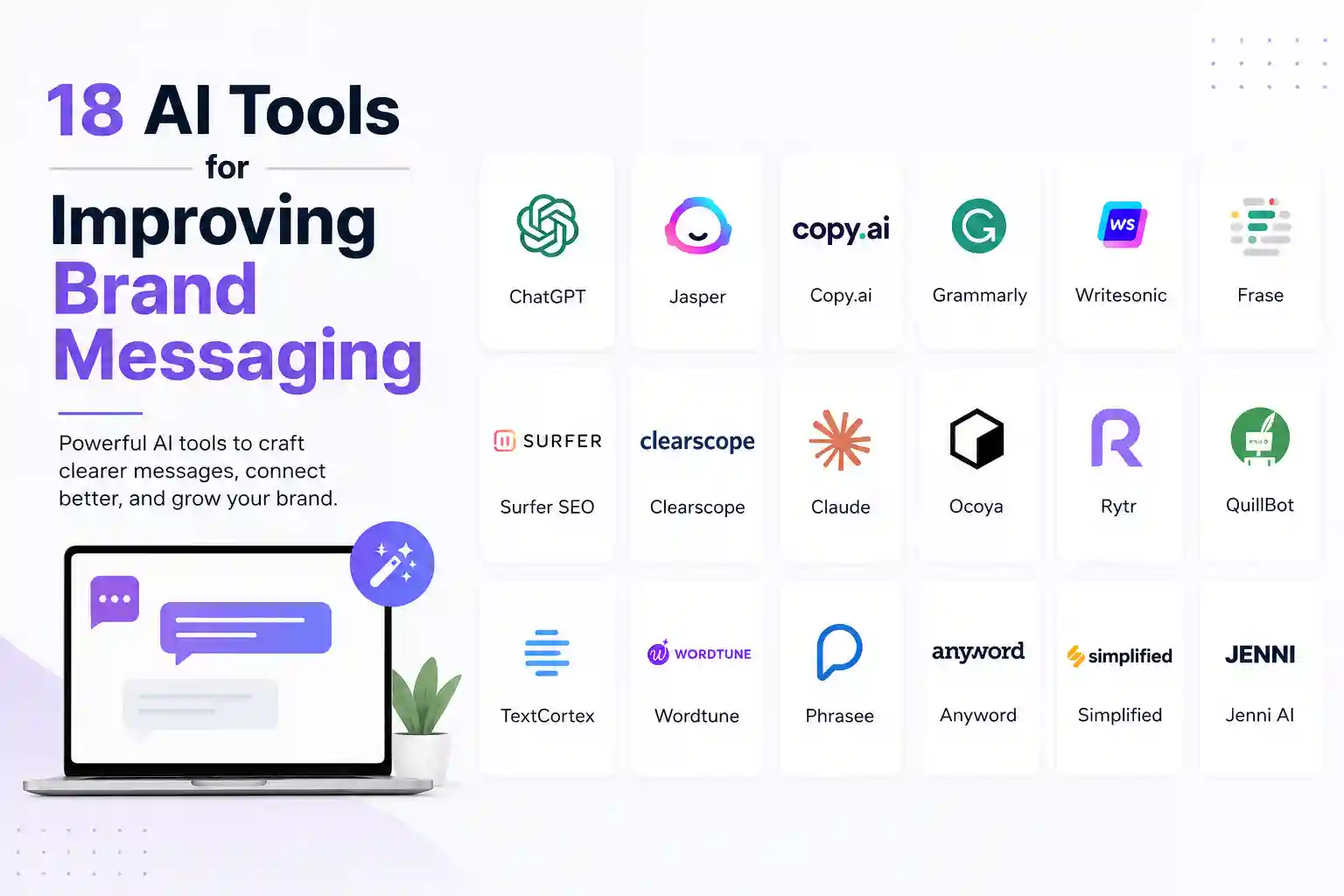
Jasper remains a favorite because of its “Creative” and “Business” tones that you can lock to your brand voice. After selecting the “Social Media Caption” template, you input the product or theme, and Jasper returns 5 ready‑to‑post lines. I use it for product launches; the AI consistently includes a call‑to‑action that boosts click‑through rates.
Best Use Case
Launching new features or limited‑time offers where a strong hook is essential.
Quick Tip
Save a “Brand Voice” preset in Jasper so every output aligns with your style guide.
2. Copy.ai
Copy.ai offers a “Caption Generator” that tailors suggestions for Instagram, Facebook, and TikTok. Its strength lies in the “Fun” and “Professional” mood sliders, letting you shift tone with a single click. I’ve found the “Hashtag Helper” feature especially useful for niche markets.
Best Use Case
Brands that need to switch between playful and formal tones frequently.
Quick Tip
Export the generated list to a Google Sheet and add a column for performance tracking.
3. Writesonic
Writesonic’s “Social Media” module includes a “Caption Shortener” that rewrites long copy into punchy 150‑character snippets—perfect for Twitter’s character limit. The tool also suggests emojis based on sentiment analysis, which can increase engagement.
Best Use Case
Twitter threads and short‑form posts where brevity is critical.
Quick Tip
Enable the “Emoji Suggestion” toggle only after you’ve verified brand guidelines to avoid overuse.
4. Peppertype.ai
Peppertype’s “Social Media” suite provides a “Caption Ideas” button that instantly produces 10 variations. The UI is minimal, making it fast for marketers who dislike cluttered dashboards. I appreciate the built‑in “A/B Test” flag that lets you label which version you’ll test in ads.
Best Use Case
Testing multiple caption angles for paid social campaigns.
Quick Tip
Mark the top three options and schedule them across different days to see which resonates best.
5. Copysmith
Copysmith shines with its “Brand Voice Engine”—you upload a few sample captions, and the AI learns your cadence. The platform also integrates with Buffer, letting you push generated captions directly to your scheduling queue.
Best Use Case
Brands with a well‑defined voice that need bulk caption creation.
Quick Tip
Run a quarterly audit of the voice model to keep it aligned with any rebranding.
6. ContentBot.ai
ContentBot offers a “Short Form” generator that produces captions under 100 characters, ideal for Instagram Stories stickers or Snapchat captions. The tool also includes a “Keyword Density” meter, ensuring your primary keyword appears naturally.
Best Use Case
Story‑first platforms where space is limited.
Quick Tip
Pair the keyword density check with a quick plagiarism scan to keep content original.
7. Anyword
Anyword uses predictive performance scores (called “Persuasion Scores”) for each caption. After entering your product description, the AI returns captions ranked by expected click‑through. I’ve seen a 12% lift in link clicks when using the top‑scoring option.
Best Use Case
Performance‑driven campaigns where ROI matters.
Quick Tip
Always run a live A/B test; the score is a guide, not a guarantee.
8. Caption AI by Later
Later’s native “Caption AI” suggests hashtags based on trending topics in your niche. It pulls real‑time data from Instagram’s explore page, so the hashtags stay fresh. The tool also lets you save favorite caption templates for future reuse.
Best Use Case
Instagram accounts focused on growth through hashtag discovery.
Quick Tip
Rotate saved templates weekly to avoid algorithmic fatigue.
9. Lately.ai
Lately.ai analyzes your existing long‑form content (blog posts, webinars) and automatically creates short captions that echo your brand’s language. The AI also suggests a posting schedule based on historical engagement peaks.
Best Use Case
Repurposing evergreen content into social snippets.
Quick Tip
Export the generated captions into a content calendar and add a personal anecdote for authenticity.
10. Snazzy AI (now part of Unbounce)
Snazzy AI offers a “One‑Liner” generator that excels at creating witty, attention‑grabbing captions. The tool includes a “Tone Detector” that warns you if the output sounds too salesy for a community‑focused post.
Best Use Case
Brands that balance humor with professionalism.
Quick Tip
Use the tone warnings as a checklist before publishing.
11. Phrasee
Phrasee focuses on language that drives action. Its “Social Copy” module runs a deep‑learning model trained on millions of successful posts. The AI suggests subject‑line‑style captions that incite curiosity, perfect for LinkedIn articles.
Best Use Case
Thought‑leadership posts where click‑through to a blog is the goal.
Quick Tip
Pair Phrasee’s output with a clear visual to maximize scroll stop.
12. Ink for All
Ink’s “Social Optimizer” checks SEO relevance, readability, and emotional impact all at once. After you paste a draft, Ink rewrites it to hit a target “SEO Score” while keeping the voice intact.
Best Use Case
Captions that need to rank in platform search, like Pinterest or TikTok.
Quick Tip
Set the SEO target slightly lower than maximum to keep the copy natural.
13. NeuralText
NeuralText uses GPT‑4 behind the scenes and offers a “Caption Generator” with a built‑in “Audience Selector”. Choose “Millennials”, “Gen Z”, or “Professionals”, and the AI adapts slang and formality accordingly.
Best Use Case
Multi‑audience brands that post across diverse platforms.
Quick Tip
Test at least one caption per audience segment to verify resonance.
14. Headlime
Headlime’s “Social Media” section includes a “Hook Builder” that crafts the first 5 words of a caption—crucial for stopping the scroll. The tool also provides a “CTA Generator” that suggests verbs aligned with your funnel stage.
Best Use Case
Ads and promotional posts where the first impression matters most.
Quick Tip
Combine the Hook Builder output with a visual that reinforces the message.
15. Hyperwrite
Hyperwrite offers a “One‑Click Rewrite” button that transforms a bland caption into a more vivid version by adding sensory language. I use it when the original copy feels flat after a quick brainstorm.
Best Use Case
Elevating generic product descriptions into engaging social snippets.
Quick Tip
Run the rewrite through a readability check to keep it scannable.
16. ChatGPT (OpenAI) Custom Prompt
While not a dedicated caption tool, a well‑crafted prompt can turn ChatGPT into a powerful caption generator. Example prompt: “Create five Instagram captions for a sustainable skincare brand launching a new serum. Include two relevant hashtags and a friendly tone.” The AI returns ready‑to‑post lines in seconds.
Best Use Case
When you need highly specific language or want to experiment with multiple styles quickly.
Quick Tip
Save your prompt in a notes app and tweak the variables (brand, product, tone) for each new campaign.
How to Choose the Right Tool for Your Workflow
Not every AI solution fits every team. Consider these factors before committing:
- Integration Needs: If you already use a scheduling platform like Buffer or Later, pick a tool that plugs directly into it.
- Volume vs. Customization: High‑volume brands benefit from bulk generators (Copysmith, Lately.ai), while boutique agencies may prefer nuanced tone controls (Jasper, Anyword).
- Budget Constraints: Many tools offer free tiers; test them on a single campaign before scaling.
Practical Steps to Implement AI Captions Without Losing Authenticity
1 Define Your Brand Voice: Write a 2‑sentence voice guide (e.g., “friendly, data‑driven, and slightly witty”). Feed this into tools that support voice presets.
2 Start with a Template: Create a spreadsheet with columns for platform, hook, body, CTA, and hashtags. Use AI to fill each column, then fine‑tune.
3 Run a Mini A/B Test: Publish two caption variants for the same image and track engagement for 24‑48 hours. Adjust based on real data.
4 Maintain a Caption Library: Store top‑performing captions in a shared drive. Over time you’ll spot patterns that inform future AI prompts.
Common Questions Users Search
Can AI-generated captions hurt my brand’s authenticity?
Only if you publish them without review. Use AI as a first draft, then add a personal touch—like a brand‑specific phrase or a behind‑the‑scenes insight—to keep it genuine.
Do I need to pay for every AI tool?
No. Most platforms offer free trials or limited‑use plans. Start with the free tier, evaluate performance metrics, and upgrade only when ROI is clear.
How do I ensure the hashtags suggested are not spammy?
Check the suggested hashtags against recent posts in your niche. Avoid overly generic tags (e.g., #love) unless they truly fit your content.
Is it safe to feed proprietary product info into AI tools?
Choose tools with clear data‑privacy policies. Enterprise plans often include data‑encryption guarantees, which is advisable for confidential product launches.
Can I automate posting directly from these AI tools?
Some, like Copysmith and Later’s Caption AI, integrate with scheduling apps. Others require a manual copy‑paste step, which still saves considerable time.
Prevention Tips to Keep Your Captions Effective
Avoid Over‑Automation: Let a human review every caption for brand alignment and cultural sensitivity.
Stay Updated on Platform Policies: Social networks frequently change rules around automated content; ensure your AI output complies.
Monitor Frequency: Too many AI‑generated posts can look robotic. Mix in user‑generated content and real‑time updates.
Track Performance Regularly: Use platform analytics to see which AI‑generated captions outperform manual ones, then refine your prompts.
Personal Experience: How AI Cut My Caption Time in Half
When I first managed a fashion boutique’s Instagram, I wrote each caption by hand—often spending 15‑20 minutes per post. After integrating Jasper and Later’s Caption AI, my average creation time dropped to under 3 minutes. The biggest change was not speed alone but the ability to test multiple hooks quickly, leading to a 9% lift in engagement over three months.
Neutral Note on Tool Differences
While Jasper excels at tone consistency, Copy.ai shines with hashtag suggestions. Choosing the right mix depends on whether you prioritize voice or discoverability.
By combining the right AI tool with a disciplined review process, you can keep your social feeds lively, on‑brand, and optimized for each platform’s algorithm. Start with a free trial of one of the tools above, set up a simple caption template, and watch your workflow become noticeably faster.
Availability and signup requirements may vary.